Consumer behavior & culture
Fandom, community & loneliness
23 indexed claims · 1 guest · peaked 2025-Q3
Overview
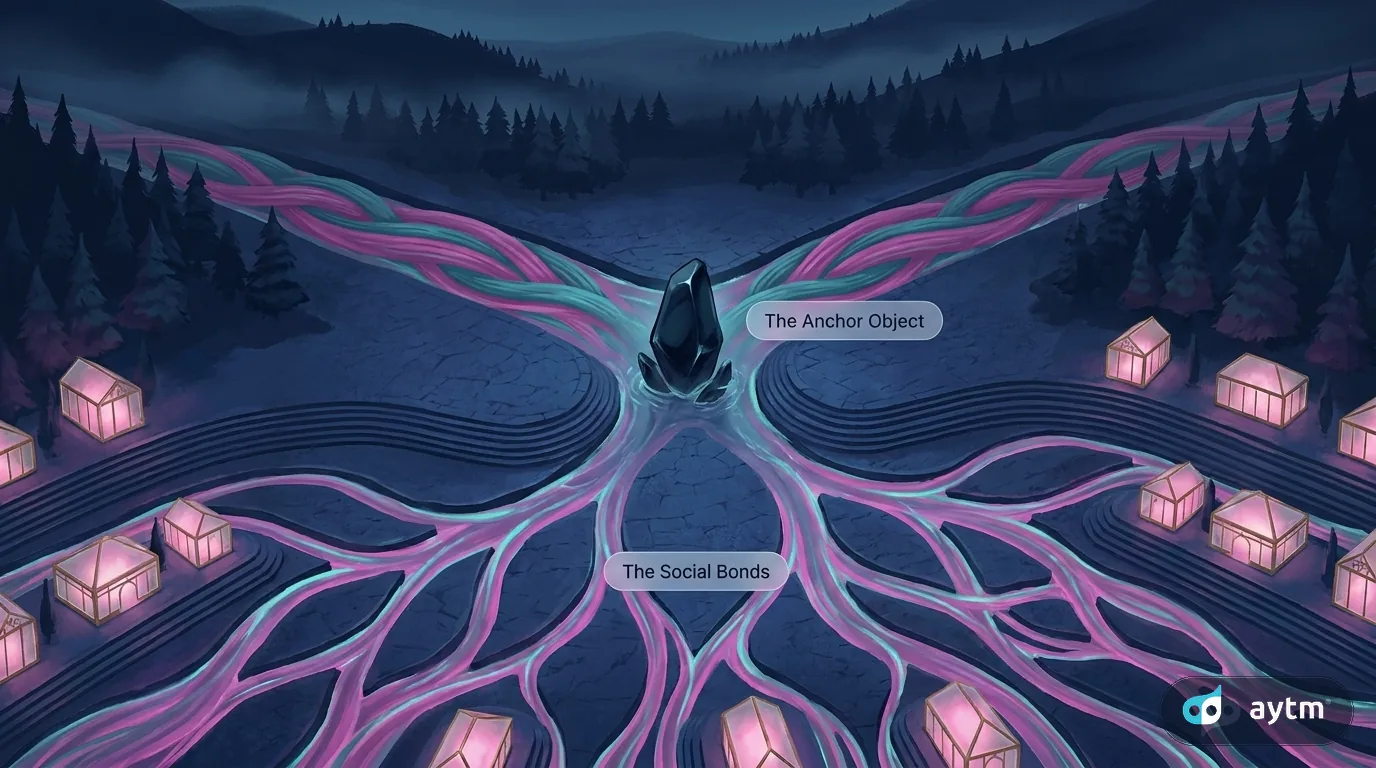
Ben Valenta's research at Fox Sports overturns a foundational assumption in the sports industry: fans don't follow teams because they love the game — they follow teams because they love each other. In these podcast episodes, Valenta argues that sports function as 'third things,' anchor objects whose primary purpose is to give people a reliable reason to gather, talk, and feel connected. The action on the field is the excuse; the relationships formed in the stands are the point. This thesis carries consequential implications for how brands read fandom as a consumer signal, for how teams approach fan cultivation versus extraction, and for what the data on loneliness and wellness reveals about the social infrastructure that engaged sports fans quietly build around themselves every season.
From the corpus
- Teams should treat 'becoming a family ritual' as their North Star — the ticket giveaway example fails because Tuesday-night games for kids ignore that fans are supposed to come with friends and family, win and lose together, and turn the game into a recurring social event. — Ben Valenta, Ep. 20 ·
cl-ben-valenta-017 - Engaged sports fans index higher on every consumer attribute brands want — more trust in institutions, more trust in other people, more local community engagement, higher brand affinity, more likely to be trusted word-of-mouth resources. — Ben Valenta, Ep. 20 ·
cl-ben-valenta-025 - Rivalry is not what creates the social bonds of sports fandom; clear, distinct rivalries that fanbases agree on are rare, and the connective power of sports holds across all market types regardless of whether a recognized rival exists. — Ben Valenta, Ep. 20 ·
cl-ben-valenta-008 - Sports fandom is the strongest signal of broader consumer engagement available — engaged sports fans are the largest consumers of every other form of media, suggesting brands targeting engaged consumers should be targeting sports fans. — Ben Valenta, Ep. 20 ·
cl-ben-valenta-024 - Engaged sports fans score higher on every measured wellness outcome — happier, more satisfied, more grateful, more confident, more optimistic, less depressed, less lonely — and the relationship is consistent across cultures. — Ben Valenta, Ep. 20 ·
cl-ben-valenta-012 - The fan flywheel has two variables: a fan engages, which produces positive social interaction, which incentivizes more engagement; deep fandom requires many spins of this loop and cannot be achieved through a single moment. — Ben Valenta, Ep. 20 ·
cl-ben-valenta-015 - Fandom is not a switch but a slow accumulation; the majority of fans are socialized into fandom across generational timelines, primarily through their parents, which means cultivating new fans is a multi-decade investment. — Ben Valenta, Ep. 20 ·
cl-ben-valenta-014 - Sports teams function as the anchor of close personal relationships — for Ben, the Denver Broncos are the reason he talks to his father, and the team's results matter only insofar as they create something to share. — Ben Valenta, Ep. 20 ·
cl-ben-valenta-006
Contributing guests
Episodes in Fandom, community & loneliness
- Ben Valenta — Fans Have More Friends: Community as the Animating Force of Sports Fandom — Ep. 20 · Aug 5, 2025
See Consumer behavior & culture mapped across all quarters →