Industry, profession & meta
Talent pipeline, hiring & advocacy
22 indexed claims · 5 guests · peaked 2026-Q1
Overview
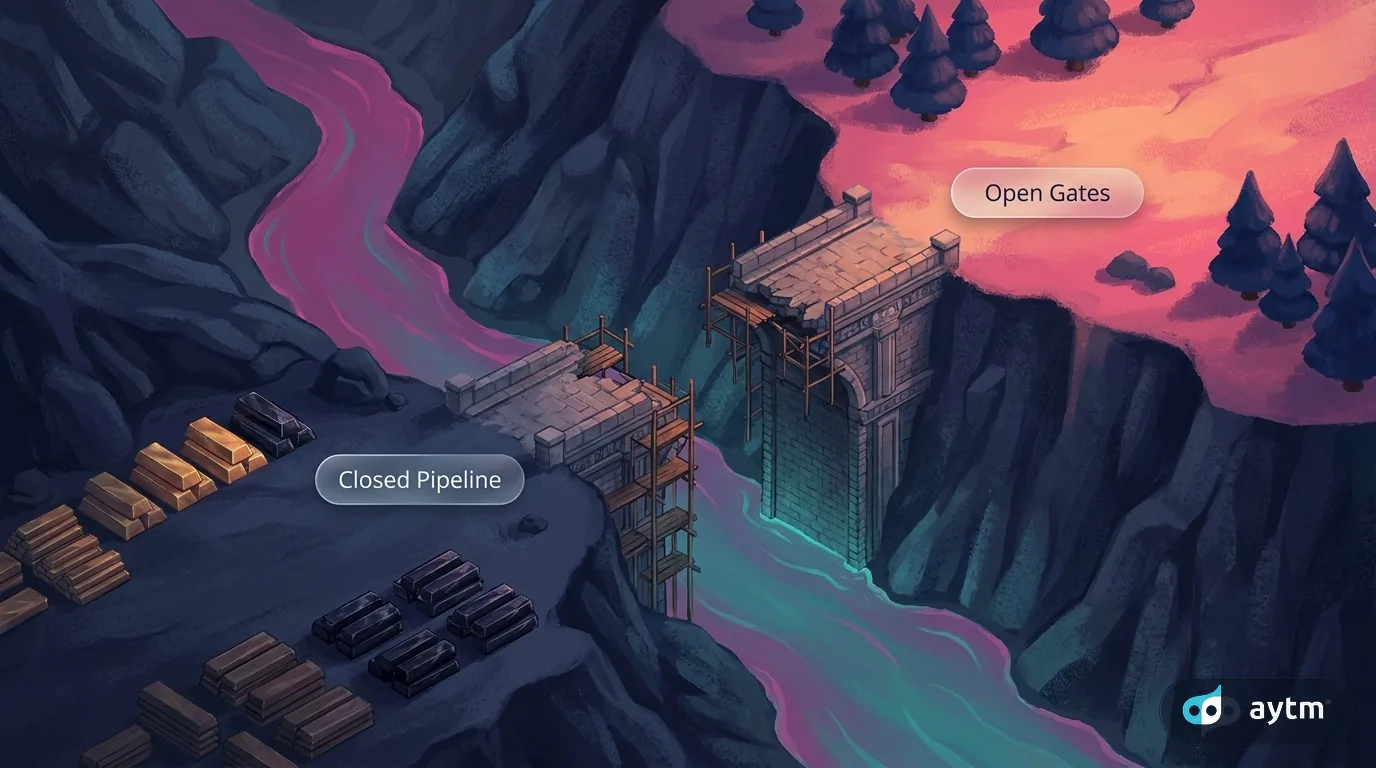
Market research has a hiring problem — and these conversations argue it's structural, cultural, and self-inflicted. Guests across multiple episodes converge on a central paradox: an industry that studies human behavior systematically struggles to attract, develop, and retain the very talent it depends on. Brooke Reavey names it the 'bystander problem': everyone assumes someone else will rebuild the pipeline, so no one does, even as automation severs the apprenticeship model that trained generations of researchers. The counterweight appears in how guests like Charitie Dantis-Gayo and Ashley Hopkins talk about hiring — not as a credential-matching exercise but as a search for curiosity, founder mentality, and the willingness to translate skills across contexts. The deeper tension is between the industry's short-term staffing instincts and the decade-long consequences of ignoring who comes next.
From the corpus
- The insights and analytics functions become more powerful when integrated rather than separated; analytics professionals' reluctance to engage survey-based data as legitimate (treating it dismissively as \"qualitative\") is a structural blind spot that the next generation of insights organizations should design out. — Charitie Dantis-Gayo, Ep. 42 ·
cl-charitie-dantis-gayo-022 - What retains people in research is not the appeal of the industry but a manager who recognizes that their skills transfer — the AmEx hiring manager's translation \"subscribers become card members, newsstand buyers become prospects\" is the prototype move; without that translator, the field loses talent. — Charitie Dantis-Gayo, Ep. 42 ·
cl-charitie-dantis-gayo-010 - Market research knowledge has always been transferred apprenticeship-style, with experienced researchers training younger ones on the job; automating away the beginner tasks severs that pipeline, so in ten years, when senior researchers retire, there will be no one trained to take over their companies. — Brooke Reavey, Ep. 58 ·
cl-brooke-reavey-005 - Market research has a 'bystander problem': just as a crowd assumes someone else will help a person who has fallen, the industry assumes someone else will fix the collapsing talent pipeline — so no one actively does, even as layoffs and freelancing dismantle the structures that trained newcomers. — Brooke Reavey, Ep. 58 ·
cl-brooke-reavey-003 - A practitioner can apply market-research listening discipline to their own life: spotting a gap (anxiety journals dominated by 'rainbows and butterflies' aesthetics that didn't fit users like her), validating with therapists, and building product is the same craft applied to a personal problem. — Ashley Hopkins, Ep. 12 ·
cl-ashley-023 - The corporate-side default of requiring market research experience for entry-level insights roles should stop; analytical skills from adjacent disciplines are a legitimate foundation for being a good insights professional, and that gate is keeping good talent out. — Charitie Dantis-Gayo, Ep. 42 ·
cl-charitie-dantis-gayo-021 - Researchers from journalism, political science, and economics backgrounds make insights work more meaningful precisely because of the difference they bring; background variety is a structural strength of the field, not a recruiting awkwardness. — Charitie Dantis-Gayo, Ep. 42 ·
cl-charitie-dantis-gayo-004 - When hiring for an insurance-industry insights role, the right move is to avoid candidates with insurance backgrounds; same-industry hires arrive with the same vendors, the same approaches, and no fresh frame for the problem. — Charitie Dantis-Gayo, Ep. 42 ·
cl-charitie-dantis-gayo-007
Contributing guests
Episodes in Talent pipeline, hiring & advocacy
- The bystander problem in market research with Brooke Reavey — Ep. 58 · May 12, 2026
- Charitie Dantis-Gayo — Nonlinear Paths, Hiring for Will, and Bringing the Human Back to Insights — Ep. 42 · Jan 13, 2026
- Ashley Hopkins — Building Insights From Scratch: Listening Tours, Sponsors, and the Founder Mentality — Ep. 12 · Jun 10, 2025
See Industry, profession & meta mapped across all quarters →